
A DOT drug test is a federally mandated screening required for employees in safety-sensitive roles regulated by the Department of Transportation. Its purpose is to ensure public safety by identifying substance use that could impair performance.
Industries That Require DOT Testing
- Commercial trucking
- Aviation
- Railroads
- Public transit
- Maritime operations
- Pipeline employees
Key Features of DOT Drug Testing
- Federally regulated procedures
- Certified collectors and laboratories
- Mandatory testing for safety-sensitive positions
- Standardized drug panels
- Secure chain-of-custody protocols
Learn more about DOT testing regulations here:
👉 DOT Drug Testing – Wikipedia
👉 Occupational Safety and Health – CDC
For employers seeking compliance-ready DOT testing services, see:
👉 Advanced Drug Tests – DOT Services
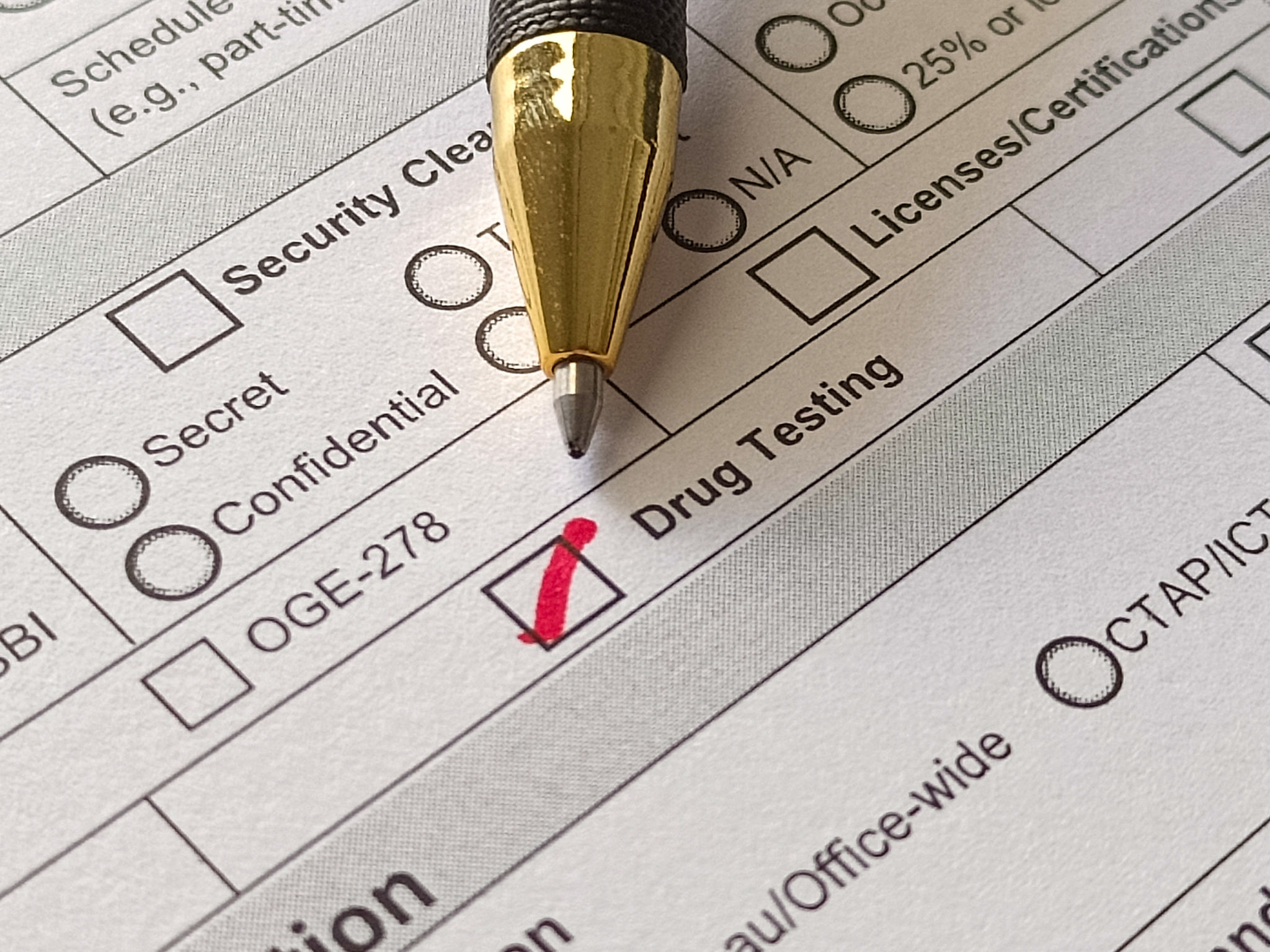
Drug Test With Alcohol: What You Need to Know
A drug test with alcohol detects both alcohol and other substances. Alcohol is metabolized quickly, so lab tests focus on recent consumption through metabolites.
Common Testing Methods
- Urine Testing: Detects ethanol metabolites, typically within 12–48 hours after consumption
- Blood Testing: Measures current alcohol levels; highly accurate
- Saliva Testing: Detects recent alcohol use
- Breath Alcohol Testing (BAT): Quick, on-site assessment for impairment
Lab-based tests ensure accuracy, reliability, and legal defensibility for employment, DOT, and safety-sensitive roles.
For medical insights on alcohol detection, see:
👉 Alcohol Testing – MedlinePlus
👉 Alcohol Metabolism – NIH
DOT Drug Test vs Drug Test With Alcohol
| Feature | DOT Drug Test | Drug Test With Alcohol |
|---|---|---|
| Regulation | Federal DOT rules | Employer-defined or DOT if safety-sensitive |
| Substances Tested | Marijuana, cocaine, amphetamines, opioids, PCP | Alcohol + drugs (customizable panels) |
| Purpose | Ensure public safety | Detect impairment and substance use |
| Sample Types | Urine (main), sometimes saliva | Urine, blood, saliva, breath |
| Timing | Scheduled, random, post-accident | Immediate, recent consumption detection |
Understanding these differences is crucial for workplace compliance, safety, and employee education.
Best Practices for Employers
- Ensure employees understand DOT and alcohol testing policies
- Use certified laboratories and collectors
- Maintain confidentiality and chain-of-custody
- Choose testing methods suitable for workplace roles
- Combine testing with employee education programs
For guidance on implementing safe and compliant drug testing programs:
👉 About Advanced Drug Tests
👉 Contact Advanced Drug Tests
FAQs
DOT drug test what is it?
A DOT drug test is a federally required screening for safety-sensitive positions to detect substance use that could impair job performance.
What is a drug test with alcohol?
A drug test with alcohol detects alcohol consumption along with other drugs, using urine, blood, saliva, or breath samples.
Who needs DOT alcohol testing?
Employees in safety-sensitive DOT roles, including commercial drivers, pilots, and railroad workers, must comply with alcohol testing regulations.
How long does alcohol stay detectable in a urine drug test?
Urine tests typically detect alcohol metabolites within 12–48 hours after consumption, depending on metabolism and quantity consumed.