
If you’ve ever wondered how a drug test in lab works or how a drug test that test for alcohol can detect impairment, you’re not alone. Many people researching workplace safety, health, or personal monitoring ask the same questions. Understanding these tests helps individuals, employers, and caregivers make informed decisions while ensuring safety and compliance.
This guide explains how lab-based drug and alcohol testing works, what substances are detected, and what you should know if you’re facing testing or considering it for your organization.
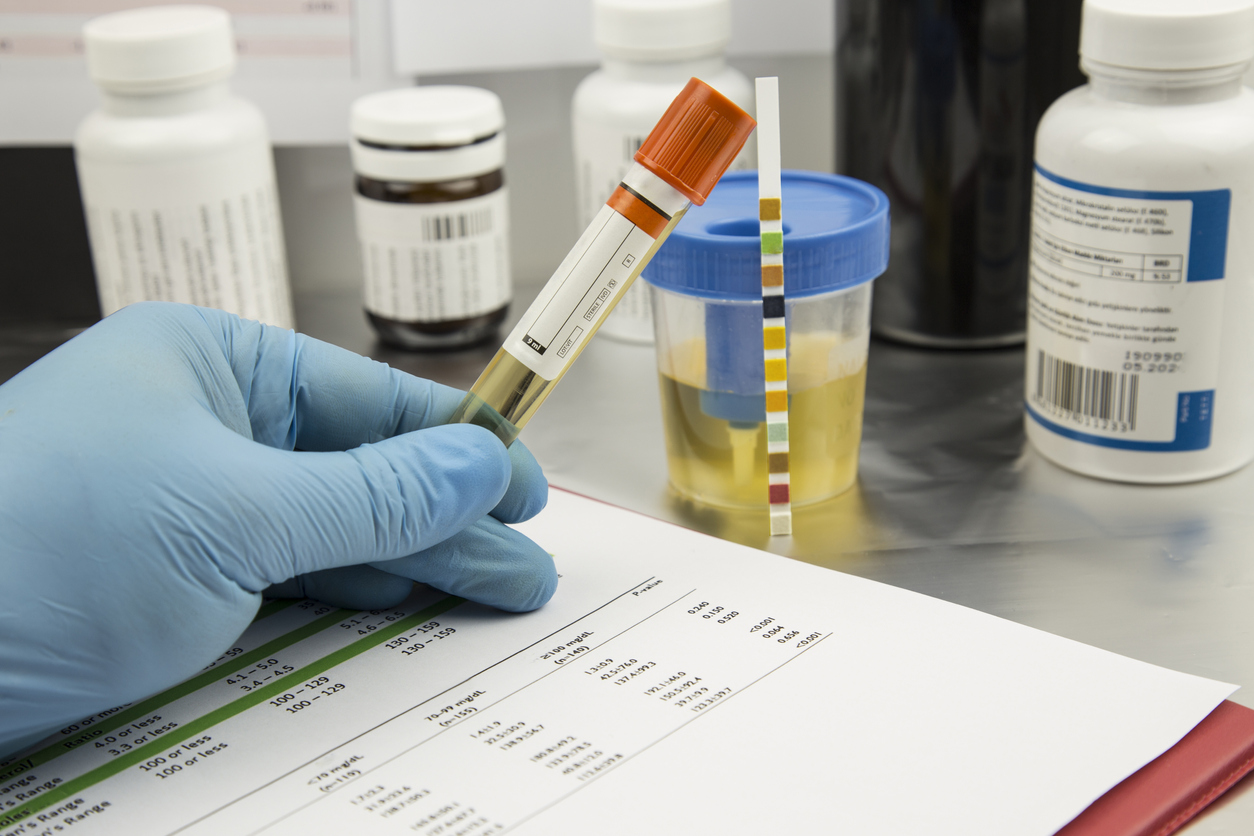
What Is a Drug Test in Lab?
A drug test in lab is a controlled and scientifically verified process where biological samples—such as urine, blood, saliva, or hair—are analyzed to detect the presence of drugs or alcohol metabolites.
Why Lab Testing Is Important
- Ensures accuracy and reliability beyond rapid or at-home tests
- Provides legal and workplace defensibility
- Detects recent and sometimes long-term drug use
- Often required for DOT and non-DOT compliance
For more about drug testing procedures, see:
👉 Drug Testing – Wikipedia
How a Drug Test That Test for Alcohol Works
Unlike most drug screens, alcohol testing can detect current impairment. Alcohol is metabolized rapidly, so lab-based tests focus on short-term detection.
Common Alcohol Testing Methods
- Urine Alcohol Testing – Detects alcohol metabolites for hours after consumption
- Blood Alcohol Testing – Measures alcohol concentration in real time; highly accurate
- Saliva Testing – Convenient, detects very recent use
- Breath Alcohol Testing (BAT) – Widely used for on-site screening
Lab-based testing ensures that results are accurate and can be used for employment, legal, or safety-sensitive purposes.
For medical context on alcohol detection and metabolism, see:
👉 Alcohol Testing – MedlinePlus
Substances Detected in Lab Drug Tests
A drug test in lab can screen for multiple substances depending on the panel selected:
- Marijuana (THC)
- Cocaine
- Amphetamines
- Opiates/Prescription Painkillers
- Phencyclidine (PCP)
- Alcohol (ethanol metabolites)
Expanded panels may detect prescription or synthetic drugs, depending on workplace requirements or medical review.
Step-by-Step: How Lab Drug Testing Works
- Sample Collection – Urine, blood, saliva, or hair is collected following strict protocols.
- Initial Screening – Sensitive lab instruments detect the presence of drugs or alcohol.
- Confirmatory Testing – Non-negative or positive results undergo confirmatory testing using advanced techniques like GC-MS (gas chromatography-mass spectrometry).
- Result Review – Certified medical review officers (MROs) validate results.
- Secure Reporting – Results are confidentially reported to the employer or authorized individual.
For more on lab-based testing services, you can learn about DOT and non-DOT services here:
👉 Advanced Drug Tests – DOT Services
Why Understanding Lab Drug Testing Matters
Knowing how a drug test in lab works and how a drug test that test for alcohol functions is helpful because:
- It helps prepare candidates and employees for testing.
- Employers can choose accurate and compliant testing programs.
- Individuals can understand timelines, detection windows, and accuracy.
- Reduces confusion and anxiety about testing procedures.
Lab testing ensures results are accurate, legally defensible, and medically sound.
Tips for Accurate Results
- Follow collection instructions carefully
- Avoid sample tampering or contamination
- Be aware of prescription medications that may affect results
- Know the detection windows for different substances
Lab-based drug and alcohol testing is one of the most reliable ways to maintain workplace safety and personal accountability.
Internal Resources You Can Explore
- Learn more about our services and testing options:
👉 About Advanced Drug Tests - Questions or ready to schedule a test? Contact us:
👉 Contact Advanced Drug Tests
Conclusion
A drug test in lab and a drug test that test for alcohol are powerful tools for understanding substance use and maintaining safety. By knowing how these tests work, what substances they detect, and how results are analyzed, both employers and individuals can make informed, responsible decisions.
Whether for DOT compliance, workplace safety, or personal awareness, lab-based testing provides the accuracy and reliability necessary for today’s high-stakes environments.