Introduction to Breath Alcohol Testing (BAT)
In today’s high-stakes workplaces—especially in industries with safety-sensitive roles—employers are increasingly turning to sophisticated solutions for safeguarding their teams. One such key solution is breath alcohol testing (BAT). When incorporated into a comprehensive program of advanced drug and alcohol testing, BAT becomes a critical component of employer-led efforts to improve safety, assure compliance, and foster accountability. By offering prompt, accurate readings of alcohol impairment, BAT complements the broader suite of alcohol and drug testing services that companies engage.
If you’re seeking reliable alcohol screening services or a DOT drug and alcohol screening program that sets the standard, understanding how BAT fits in is essential.
What Is Breath Alcohol Testing (BAT)?
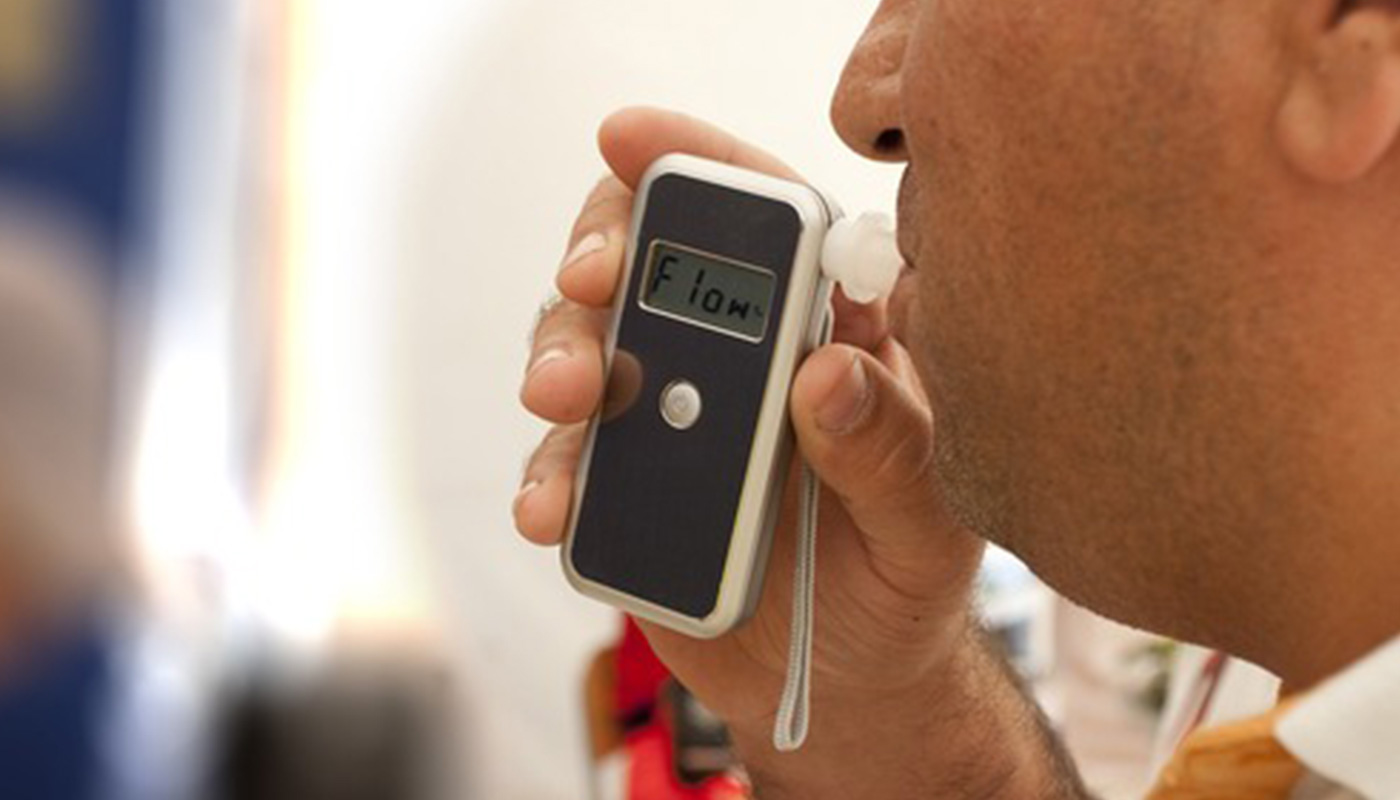
Breath Alcohol Testing (BAT) is a method by which the alcohol concentration in a person’s breath is measured as a proxy for blood alcohol levels. The cut-edge devices used—often approved evidential breath testing (EBT) machines—capture a sample of the individual’s deep lung air and provide immediate results.
What makes BAT especially appealing in workplace environments is its speed, non-invasiveness, and compliance credentials. For organisations offering alcohol screening services, BAT advances the ability to detect impairment quickly, enforce policy consistently, and take action without delay.
Key Aspects of BAT:
- Employee exhales into the device; the machine analyses the sample.
- Many safety-sensitive sectors adopt thresholds stricter than general legal driving limits—recognising that even low levels of alcohol can impair judgement.
- BAT is often aligned with formal regulatory rules—for example under U.S. Department of Transportation (DOT) frameworks, the role of the BAT is clearly defined.
The Role of BAT in Advanced Drug and Alcohol Testing
When we talk about advanced drug and alcohol testing, we refer to integrated programs that cover multiple substances, multiple test methods (urine, hair, saliva, breath), and robust reporting/tracking systems. BAT plays a vital role in that broader framework by specifically addressing alcohol.
Here’s how BAT fits in:
- It complements drug-testing methods (such as urine, hair, saliva) by providing an immediate check on alcohol impairment.
- For companies providing full-service alcohol and drug testing services, including BAT increases program completeness, reducing the odds of missing impairment due to alcohol.
- BAT results help bolster transparency: when employees know that breath alcohol checks are part of the screening ecosystem, deterrence goes up.
- Because BAT is fast and less invasive, it encourages higher participation and smoother logistics—important when managing large workforces.
By choosing a trusted provider of alcohol screening services who integrates BAT with other substance-testing options, employers strengthen their safety program and align with industry best practices for advanced testing.
Alcohol Screening Services That Protect Lives
Reliable alcohol screening services go beyond simply administering tests. They include:
- Qualified technicians trained in BAT and other substance screening methods.
- Devices approved by regulatory bodies (for example DOT-recognized evidential breath devices).
- Proper procedures and documentation that ensure the test results are defensible and clear.
- Clear policy frameworks (random testing, reasonable suspicion testing, post-incident testing) that ensure testing is integrated into company culture, not just reactive.
Effective screening services reduce the likelihood of workplace accidents, help protect your brand and workforce, and demonstrate a proactive commitment to safety and compliance.
DOT Drug and Alcohol Screening Compliance
For employers operating in transportation, logistics, public transit, or any safety-sensitive sector regulated by the U.S. Department of Transportation, a DOT drug and alcohol screening program isn’t optional—it’s mandated. The role of the BAT (Breath Alcohol Technician) or STT (Screening Test Technician) is clearly outlined in regulations.
Key points of DOT compliance:
- The BAT must be trained in accordance with 49 CFR Part 40 procedures.
- Evidential Breath Testing (EBT) devices must be approved and regularly maintained and calibrated. Errors in process can jeopardize the validity of the results.
- Companies must have documented policies for alcohol and drug screening that meet or exceed DOT requirements.
- Using BAT as part of your alcohol and drug testing services ensures you remain compliant, avoid costly violations or audits, and support safer operations.
Benefits of Professional Alcohol and Drug Testing Services
Partnering with a provider of full-service alcohol and drug testing services including BAT offers clear advantages:
- Reliability & expertise: Certified technicians, calibrated devices, documented processes.
- Efficiency: Many BAT tests produce immediate results, reducing downtime and ambiguity.
- Deterrence & culture: Regular, consistent screening helps shape a workplace culture where safety is a priority.
- Risk reduction: Identifying impairment early prevents accidents, reduces liability, protects employees and assets.
- Compliance & documentation: Providers versed in DOT and other regulatory frameworks reduce your burden and ensure audit readiness.
Investing in professional screening services signals to employees, stakeholders, clients, and regulators that you take workplace safety seriously.
The Future of Workplace Safety Through BAT
As technology advances and regulatory frameworks evolve, the role of BAT within advanced drug and alcohol testing and alcohol screening services continues to expand. Emerging trends include:
- Digital integration—real-time reporting, mobile-friendly dashboards, seamless chain-of-custody tracking.
- Enhanced device accuracy and user-friendly interfaces, reducing false positives/negatives and increasing confidence in results.
- Broader adoption of BAT in non-DOT regulated environments, as more industries realise the value of proactive alcohol screening.
- Stronger emphasis on holistic wellbeing: combining alcohol screening with broader wellness, support, and recovery programs to move beyond punitive approaches into supportive, preventive culture.
By staying ahead of these trends, organisations offering or utilising alcohol screening services and DOT drug and alcohol screening gain a competitive advantage in safety, reputation, and resilience.
Conclusion: Empowering Safer Workplaces with BAT
In summary, Breath Alcohol Testing (BAT) is not simply another testing method—it is a pivotal tool in the broader strategy of advanced drug and alcohol testing. When integrated into a reliable programme of alcohol screening services and compliant DOT drug and alcohol screening, BAT offers speed, accuracy, deterrence, and trust.
If your organisation is committed to building a safer workplace, protecting employees, and maintaining regulatory integrity, adopting a comprehensive screening strategy—including BAT—is a smart and effective investment.